
The Gift of Lebkuchen
“Do not neglect to do good and to share what you have, for such sacrifices are pleasing to God.” — Hebrews 13:16
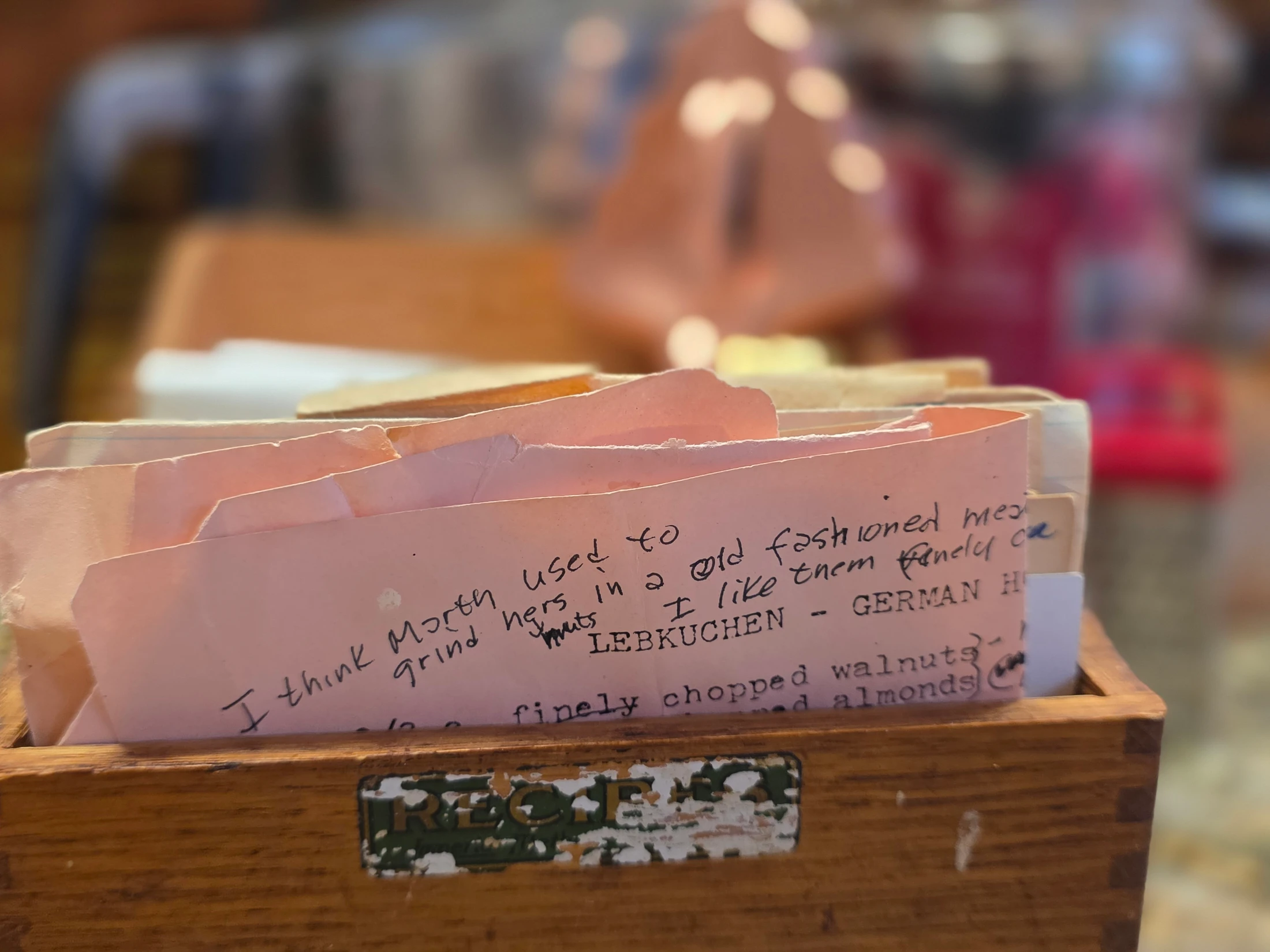
After World War II, when money was scarce and gifts were impossible, my German grandmother on my father’s side turned to what she did have: flour, honey, and spices. In her younger years, she often worked summers as a pastry cook in and around the Berkshires, which was home to the Tanglewood Music Festival and the Boston Symphony Orchestra. There she learned how to bake for crowds of people, but it was her cultural heritage, faith, and longing for a taste of home that led her to bake vats of Lebkuchen — those wonderfully fragrant German spice cookies — that she would then share with her neighbors during Christmas.
They weren’t wrapped in ribbons or placed in fancy boxes. Instead, she reached for a variety of tins, whatever she could find in her kitchen. They were simple, homemade offerings from her heart, hands, and home. Yet in those cookies there was something far greater than sugar and spice: there was love, resilience, and the determination to rebuild community when everything else had been torn apart.
Monks living in the Franconia region of Germany first made Lebkuchen in the Middle Ages. These monastic communities used honey from local beekeeping and combined it with exotic spices to bake traditional Lebkuchen, which are softer and denser cookies (more like a little cake) than my grandmother’s recipe. She rolls her cookies very thin, I imagine in order to make the ingredients go farther; regardless, they are delicious! Eventually, Lebkuchen became strongly tied to Christmas celebrations, often baked in festive shapes, and decorated with icing.
My grandmother often used an empty cocoa tin turned upside down as her cookie cutter because that’s what she had on hand. Before she died, she lived with my family when I was just four or five years old. I remember her passing the recipe on and sharing about why it was so important to our family. She taught my mother how to make this cherished cookie – much to my father’s delight, and my mother eventually taught me when was I was old enough! (Notably, when Lacy and I were married, we made and gave Lebkuchen in the shape of hearts to our guests as a way to honor our ancestors no longer with us).
Because Lebkuchen tastes better with time, my mother typically began baking these cookies over the Thanksgiving weekend with Bing Crosby’s 1945 Merry Christmas album playing in the background. Hers were always in the shape of a Christmas tree, simply iced, and stored once again in large Christmas tins in the basement. Because my brother’s name is Stephen and he was baptized on the Feast of Stephen, I remember Good King Wenceslas being one of our family’s favorite carols.
This seems fitting to me as the carol tells of King Wenceslas braving the cold to bring food and firewood to a poor man on the Feast of Stephen. Just as my grandmother baked cookies when she couldn’t afford gifts, the king gave what he had – warmth and sustenance.
My grandmother’s story, the gift of Lebkuchen, and the carol of King Wenceslas reminds me that generosity is not measured by the size of the gift, but by the spirit in which it is given. The refrain, “Ye who now will bless the poor, shall yourselves find blessing” rings true now more than ever. In times of scarcity, kindness multiplies. In times of grief, sweetness heals. And in times of rebuilding, even a cookie can become a sacrament of hope.
Prayer
Gracious God, thank You for the simple gifts that bind us together. Teach us to give not out of abundance, but out of love. May our offerings — whether cookies, time, or presence — be pleasing to You and healing to our neighbors. Amen.
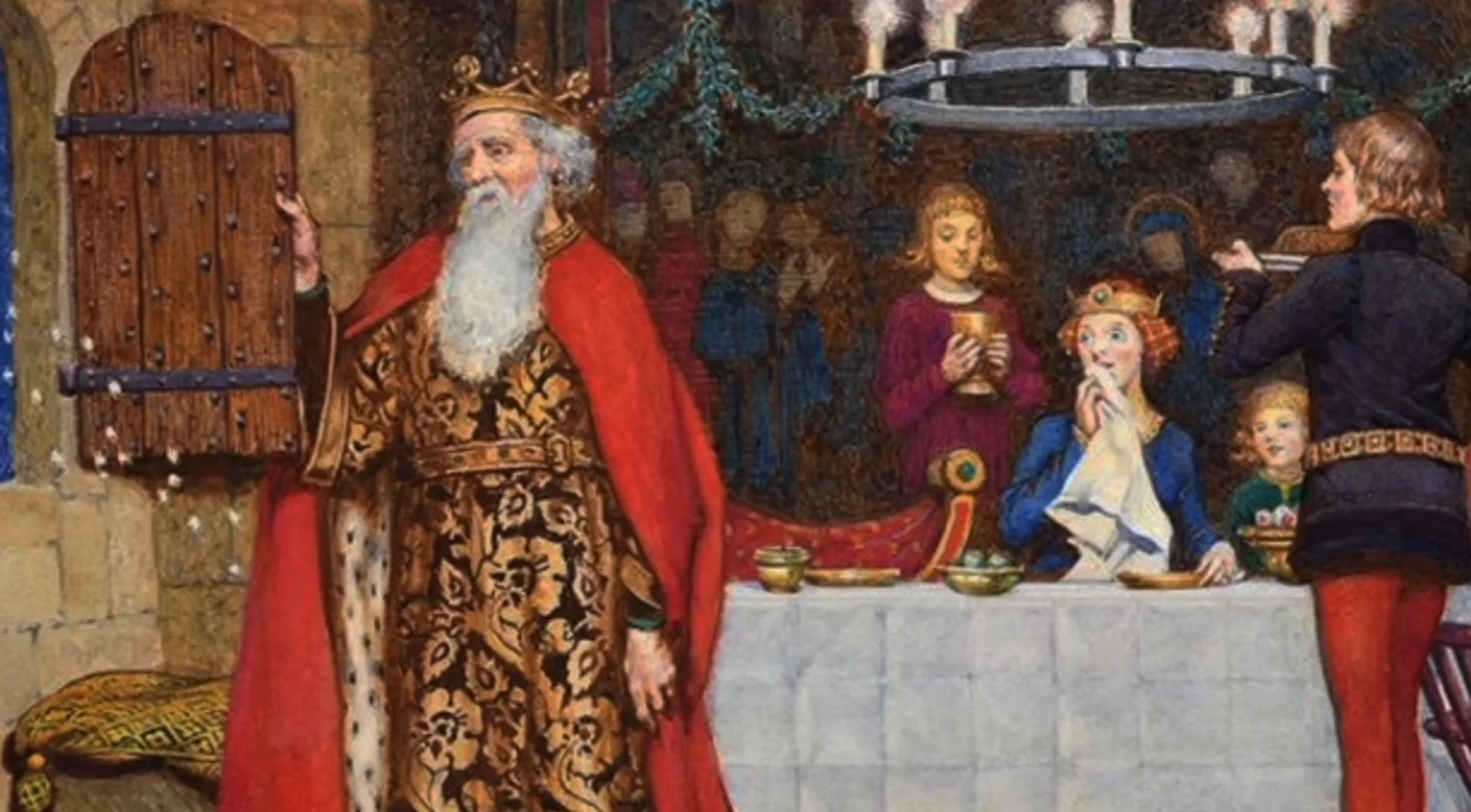
Click the image above to hear Good King Wenceslas
Performed by the Roger Wagner Chorale, Sinfonia of London. If the carol does not begin immediately, kindly click "skip" to advance to the carol. Thank you.